Candlelit early medieval scriptorium at Kells: monks at work by lamplight, campaign art
Kells · Co. Meath · Éire

The Book of Kells was made in Kells and belongs in the town that gave it its name

We believe it was written and created here. It was taken away. It simply needs to be returned home — not a loan. Written and created here. Return home — not a loan.

Where do you want to start?

For supporters

I want it home

Put your name down, write to your councillor, join the Friends of the Return.

For visitors

I'm visiting Ireland

Planning a trip? Give Kells a day: the Round Tower, the High Crosses and St Colmcille's House, 69 km from Trinity.

For the curious

Read the story

Why it is called the Book of Kells, why we want it home, and Colm answering your questions.

By the Numbers

What Most People Don't Know

1,200+
Years since the manuscript arrived in Kells, carried by Columban monks fleeing Viking raids
Centuries
It was kept in this town for centuries before its removal to Dublin in 1653
968,666
Visitors to the Book of Kells at Trinity College Dublin in 2024. All of them saw the original in Dublin, not in Kells. Source: Fáilte Ireland visitor attractions data, 2024.
69 km
The distance from Trinity College Library back to Kells — a one-hour journey north

Trinity said no to a loan in 2000 and again in 2011. Kells isn't asking for one. We are asking for the Book to come home for good.

Count me in Why not a loan? Read the FAQ

Sources: Fáilte Ireland visitor attractions data, 2024. Loan refusals: The Irish Times, 22 June 2000; Irish Examiner, 31 August 2011.

Our Story

The Manuscript Born
in Our Town

Kells is not simply a footnote in the story of this great manuscript. Kells is the story. Around 806 AD, after a Viking raid on the island monastery of Iona killed 68 of their brothers, the surviving Columban monks made the long crossing to Ireland and settled here — in what was then called Ceanannas Mór.

Can you see the Book of Kells in Kells? The original is on display at Trinity College Dublin. We believe the Book was made here. The original is not here. The visit page asks why not.

We believe the Book of Kells was written and created here — even where scholars argue for Iona or a shared scriptorium. In Kells, that work belongs. The monks established a new monastery here. The Round Tower — first recorded in 1076 — and High Crosses you can still walk past on Headfort Place and by the churchyard mark that landscape.

When people across the world hear "Book of Kells," they picture something ancient and magnificent. What fewer people know is that the town of Kells — our town — is right there in the name. Not by coincidence. Because this is where it lived, where it was venerated, and where it belongs.

✦

Named for Us

The manuscript has carried the name of this town for over a thousand years.

Centuries Here

It was kept and cared for in Kells from 806 until its removal in 1653.

Still Here in Spirit

Walk it today: the Round Tower, four High Crosses and the base of a fifth, St Colmcille's House, and the Courthouse hub.

A Global Symbol

Millions of Irish diaspora worldwide know it as the face of Irish identity.

The illuminated cover of the Book of Kells
Liber Cenannensis · Created c. 800 AD · Held in Kells until 1653
"It is not called the Book of Dublin. It is not called the Book of Trinity. It is called the Book of Kells — and that name is not a coincidence. It is an address." — The Kells Community Campaign
The Full Story

How the Book of Kells
Left Its Home

c. 800 AD
Work begins in the Columban world (Iona and/or Kells — debated). Our campaign holds creation in Kells. It is the greatest surviving example of Insular gospel illumination, decorated with extraordinary interlace, animals, and figures.
806 AD
After Vikings kill 68 on Iona, the community settles at Ceanannas Mór. Our campaign holds creation in Kells.
1006/7 AD
The manuscript is stolen from the stone church in Kells. It is recovered months later, buried in the ground — its ornate golden cover gone forever. The community kept and repaired it.
1200s–1600s
The Book remains in Kells for five more centuries. Town records and legal documents are added to its margins — it is a living part of community life, not a museum piece.
1653
During the Cromwellian wars, Charles Lambert, Earl of Cavan and Governor of Kells, sends the manuscript to Dublin for its safety. It is not sold. It does not return.
1661
Henry Jones, now Bishop of Meath, donates the manuscript to the library of Trinity College Dublin. He had not held that see in 1653. The college has held the book ever since.
1953
Trinity rebinds the manuscript into four separate volumes, allowing two to be displayed at once. It becomes one of the most visited objects in Ireland — but the town of Kells sees none of the benefit.
2000s onward
Trinity digitises the full manuscript and makes it available online. Fáilte Ireland recorded 968,666 visitors to the Book of Kells at Trinity College Dublin in 2024. Kells, with its Round Tower and ancient crosses, waits.
Today
We are a community who know our own history. We believe the Book was written and created here. It was taken away. It simply needs to be returned home. Not a loan.
Get Involved

How to Help

You don't have to do anything dramatic. This campaign runs on word of mouth — neighbour to neighbour, family to family, town to town.

01
Talk About It
Tell neighbours, family, your GAA club, your school. Many people in Kells and Meath don't know the full story — and once they do, they care deeply.
02
Share Online
Post this story. Use #BringItHomeToKells. Tag friends and family in the diaspora — their voices matter enormously.
03
Write to Your Councillor
A short email asking for a return home, not a loan, costs you nothing and carries real weight. Here is our template. Copy it, add your name, and send it.
Read the template
04
Reach the Diaspora
Family in Boston, Chicago, Melbourne, or London? Send them this page. International interest puts pressure on the conversation.

Kells today

Carved head of the Market Cross in Kells, close up, in warm sepia tones
The Market Cross, Kells. Photo: Nemoi, CC BY-SA 3.0, Wikimedia Commons. Cropped and colour-toned by Made in Kells.
The Market Cross on Headfort Place, Kells, with a stone building behind it
The Market Cross, Headfort Place, Kells. Photo: Sheila1988, CC BY-SA 4.0, Wikimedia Commons. Cropped and colour-toned by Made in Kells.
Kells town centre: a street of shopfronts rising towards the spire of St Columba’s Church
Kells town centre. Photo: Ian Rob, CC BY-SA 2.0, Wikimedia Commons. Cropped and colour-toned by Made in Kells.
Latest News

From the Campaign

Updates, history, opinion, and news from the campaign and the community.

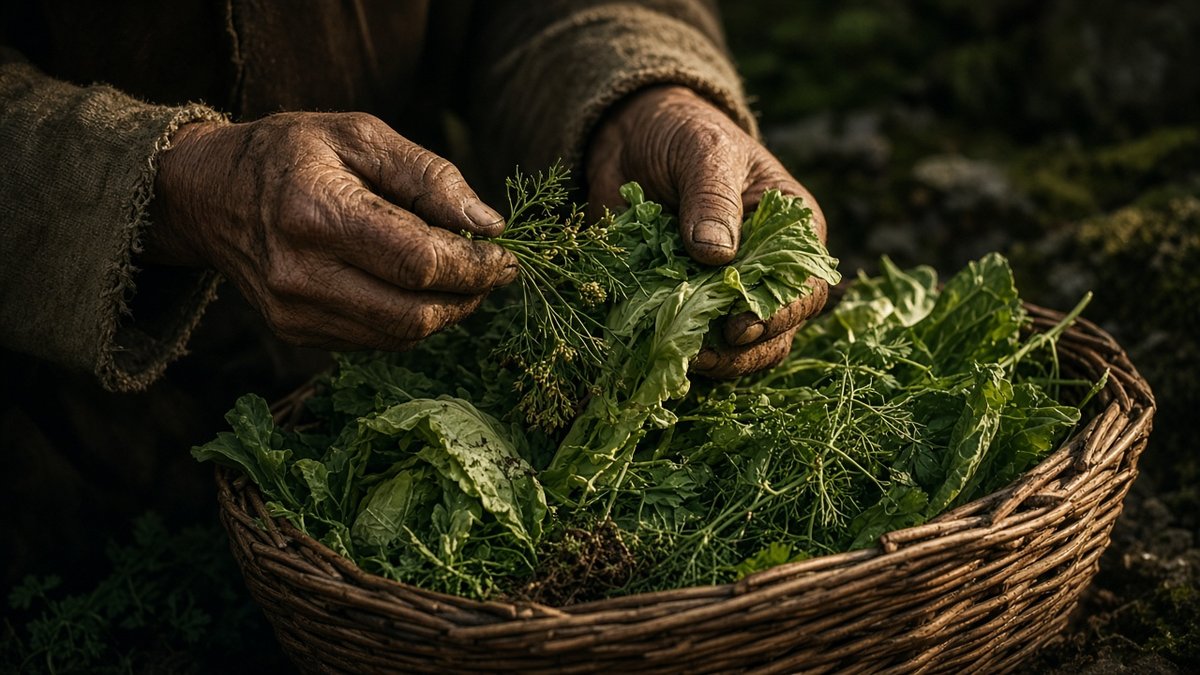
Campaign art: an old monk's weathered hands gathering green herbs into a wicker basket (illustration).
Ask Colm 5 October 2026

Ask Colm: What We Put on a Wound Before There Were Pills

Willow bark, honey, plantain, and the garden beside the scriptorium.

Read more →
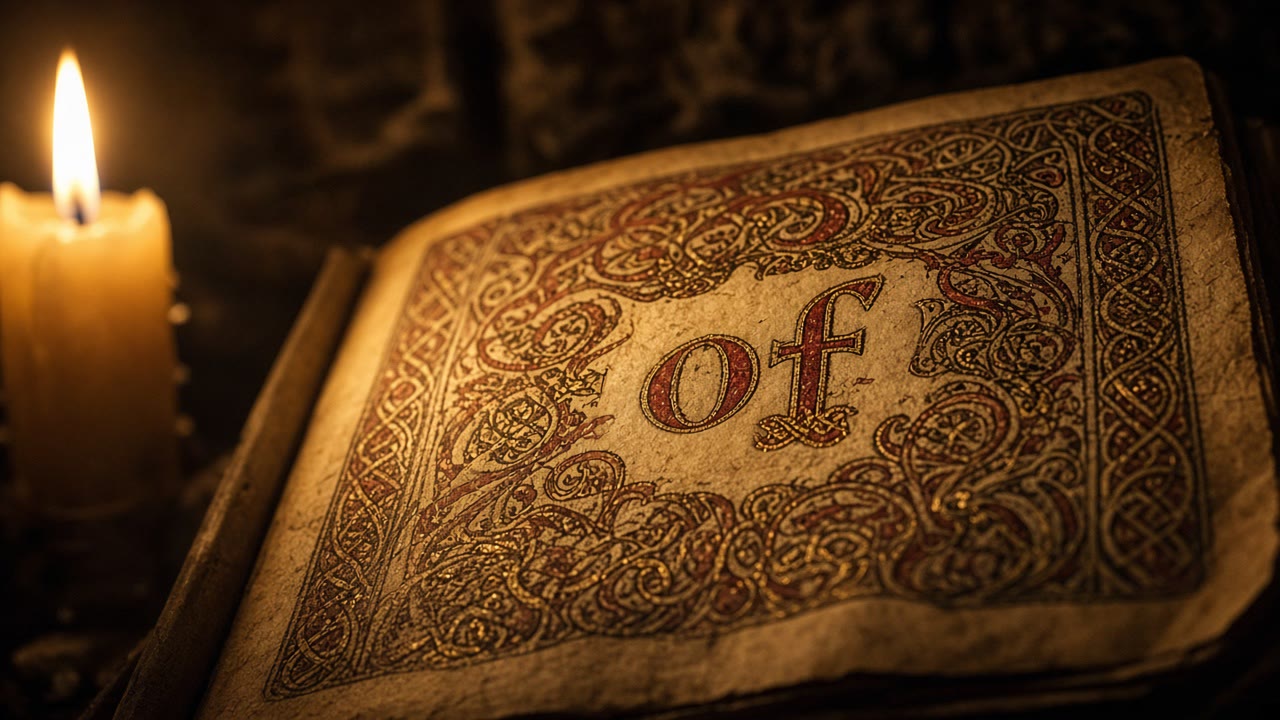
Campaign art: a candlelit illuminated manuscript page with the word "of" in red and gold, framed by gold knotwork, a candle at left (illustration, not a manuscript folio).
Campaign 27 September 2026

The Book of Kells. It's in the Name.

Two small letters settle a question the experts have spent a century complicating.

Read more →
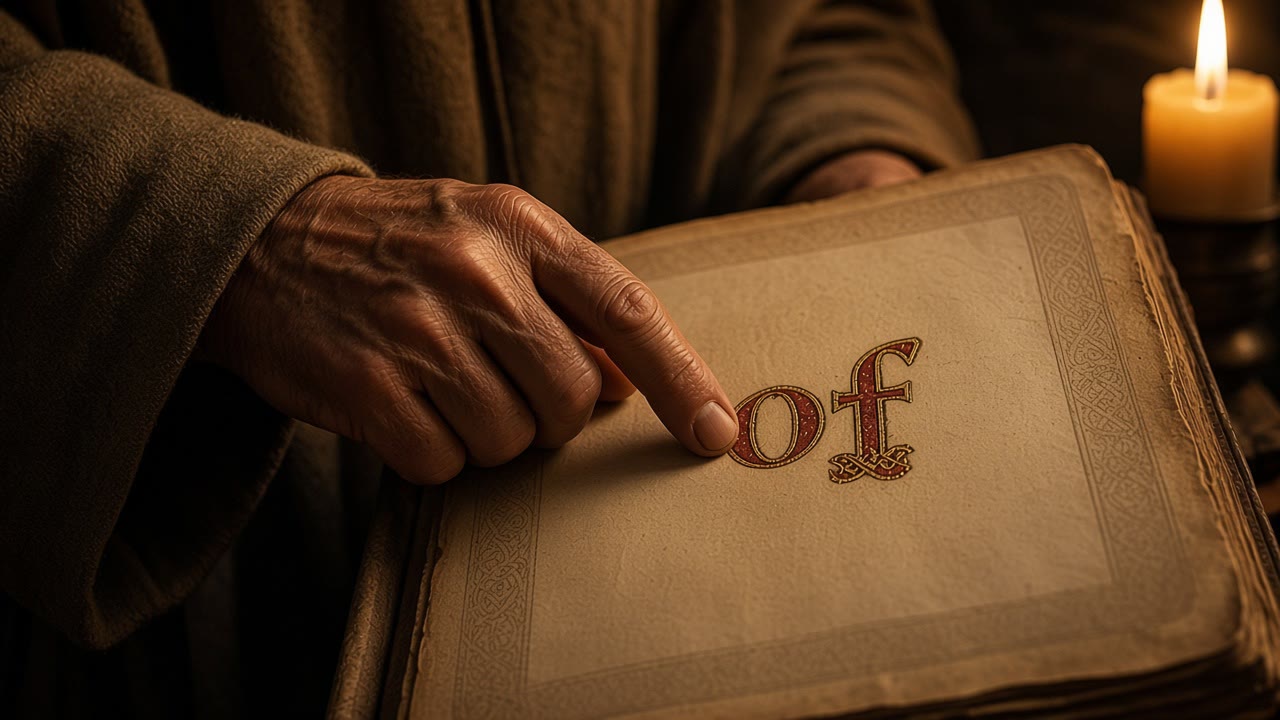
Campaign art: an old monk's hand pointing to a red and gold "of" on a blank vellum page, a candle at right (illustration).
Ask Colm 27 September 2026

Ask Colm: The Book of Kells. It's in the Name.

Two small letters, and an old monk who was there for all of it.

Read more →

View all posts →

Help Spread the Word

Use #BringItHomeToKells — every share reaches someone who doesn't know this story yet

Get in Touch

Stay Connected
with the Campaign

Whether you're a local resident, a teacher, a journalist, or someone with Meath roots from the other side of the world — we'd love to hear from you.

Get in touch to receive updates, ask questions, find out about events around the monastic site and Courthouse hub, or simply let us know what this campaign means to you.

✦
Send Us a Message
We read every message and reply to as many as we can.
🍀 Go raibh maith agat — thank you for getting in touch. We'll be in touch soon.
Count me in
A seated figure from the Book of Kells, peeking in from the side of the pageI’m Colm the Killer from Kells!